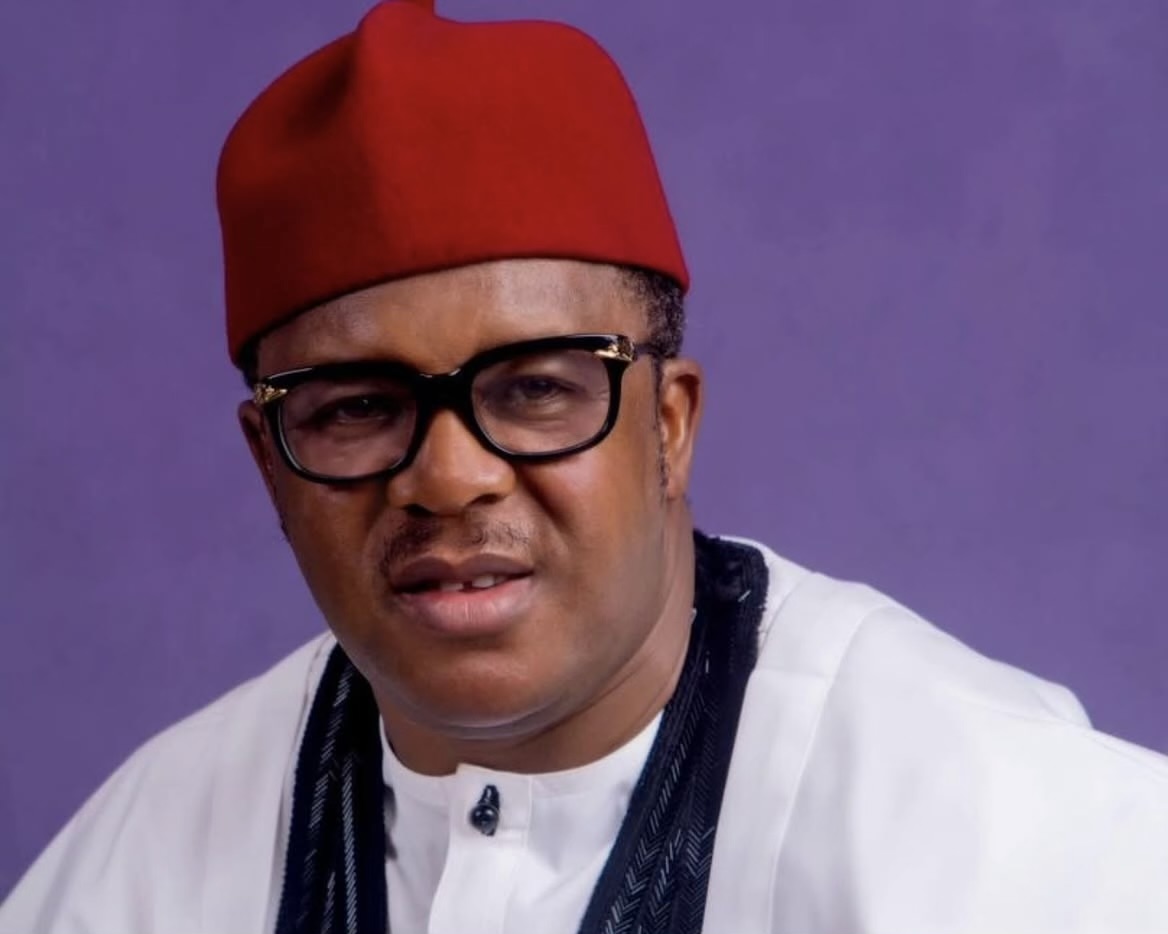

Veteran Nigerian actor Francis Duru has died after a brief illness, his family has announced in a statement posted on his verified Instagram account.
The announcement, published on Friday, 23 October 2026, did not disclose the nature of the illness or provide details of his funeral arrangements.
“We, the family of Francis Duru, regret to announce his passing following a brief illness,” the statement read.
“We appreciate your prayers, love, and understanding. May his soul rest in perfect peace. Amen.”
Duru’s death marks the loss of an actor whose career spanned several decades and whose performances helped shape Nigerian home-video cinema.
A career spanning more than three decades
Duru began his acting career in the late 1980s and gained wider recognition in the 1990s, when Nollywood was expanding its reach through home-video productions.
He became particularly known for playing Ahanna in Rattlesnake, the 1995 action film produced by the late filmmaker Amaka Igwe. The role remains one of the notable performances associated with his career.
According to the Nigerian Copyright Commission, Duru appeared in numerous films, including Blood Money, Nnenda, Home in Exile and Stigma. His work extended beyond acting to other aspects of the entertainment industry.
In 2020, he won the Best Actor in a Leading Role (Igbo) award at the Best of Nollywood Awards for his performance in Mboputa.
Duru also served as interim president of the Actors Guild of Nigeria in 2010. He received a United Nations Ambassador of Peace award in 2007 in recognition of his influence on young people, according to the Nigerian Copyright Commission.
Also Read: Mike Dada Reflects on Wife’s Death Two Years After Her Passing https://olokunsmedianetwork.com/2026/10/22/mike-dada-reflects-on-wifes-death-two-years-after-her-passing/
What is known about his death?
The family’s Instagram announcement is the primary source of confirmation available in the post supplied for this report. It attributes his death to a brief illness but gives no further medical details.
News reports published on Friday also reported the death and cited confirmation from the Actors Guild of Nigeria’s national president, Abubakar Sanusi Yakubu.
The circumstances surrounding the illness remain unclear. No cause of death beyond the family’s description has been established publicly in the information reviewed for this report.
The distinction matters because speculation about a public figure’s health can spread quickly on social media, sometimes before relatives or relevant organisations confirm the facts.
In June 2026, Duru publicly dismissed online reports claiming that he was seriously ill, describing the circulating claims as false. That earlier episode underlines the need to rely on direct statements and credible confirmation rather than unverified posts.
A personal loss and a wider industry impact
Duru’s death will be felt by his family, colleagues, fans and the wider Nigerian film industry. His long career connected him with several generations of film audiences, while his work in Rattlesnake helped establish his place in Nollywood’s history.
His family also experienced a major loss in 2024, when his 15-year-old son, Ifeanyi, died. Duru spoke publicly about his grief in a January 2025 interview with The Punch.
Beyond the personal grief, the death raises questions about how the film industry preserves the contributions of its veteran performers and supports their families during difficult periods.
However, there is currently no verified information linking Duru’s death to any failure in healthcare, industry welfare or financial support. Such conclusions would require further evidence.
What happens next?
The family has asked the public for prayers, love and understanding. It has not announced funeral arrangements in the statement shown on its Instagram account.
Further information may emerge from the family or the Actors Guild of Nigeria. Until then, the circumstances of Duru’s illness, the timing of funeral activities and any formal industry tributes remain matters to be confirmed.
For now, his death closes a chapter in a career that began in the early years of modern Nollywood and continued across more than three decades of Nigerian filmmaking.