Lagos State says it is strengthening its Ebola response measures following Nigeria’s confirmation of an imported case of Bundibugyo virus disease in Abuja, with authorities planning to improve surveillance, laboratory testing and isolation capacity.
Lagos Commissioner for Health Akin Abayomi announced the measures in a statement posted on his Instagram account. He said the state was maintaining a high level of alert under the instruction of Governor Babajide Sanwo-Olu.
The announcement follows the Federal Government’s confirmation on 20 October that laboratory tests had detected the virus in a woman who had recently travelled to Nigeria from Uganda. The patient is receiving care in isolation, according to the World Health Organization (WHO).
The confirmation has prompted health authorities to intensify efforts to identify people who may have been exposed and prevent further transmission.
What Lagos says it is doing
Abayomi said the state’s Emergency Operations Centre had been preparing for a possible case before the confirmation in Abuja.
He listed seven areas of preparedness: emergency response simulations, isolation facilities, training for health workers, laboratory testing, research, screening at entry points and digital disease surveillance.
The commissioner said the state was upgrading its isolation facilities and expanding capacity. However, his statement did not specify the number of available beds, the location of the facilities or when the additional capacity would become operational.
He also said Lagos was establishing a testing pathway aimed at delivering results within 24 hours. The statement did not clarify whether laboratories could consistently meet that target or how many samples they could process daily.
The state is also reviewing evidence on Ebola treatments and vaccines through a dedicated research committee, while working with federal authorities to improve screening at airports and other entry points.
Abayomi said the state was enhancing disease surveillance through the SHIP digital platform to support faster detection, contact tracing and response.
These measures could help health officials identify suspected infections earlier. Their effectiveness, however, will depend on available staff, protective equipment, laboratory capacity, coordination and the speed at which suspected cases reach the appropriate facilities.
What is known about the Abuja case?
The WHO reported on 20 October that Nigeria had confirmed one imported case of Bundibugyo virus disease in the Federal Capital Territory. The patient developed symptoms on 7 October, four days after arriving in Nigeria, and sought medical care at a private health facility on 11 October. Laboratory tests confirmed the infection on 20 October.
The WHO said health authorities had identified 44 contacts by 20 October and were monitoring them. Investigations were continuing to establish the patient’s exposure history and identify anyone else who might have been exposed.
The confirmed case does not mean that Ebola is spreading in Lagos. As of the WHO’s 20 October update, there was no evidence of transmission outside the reported cluster. That position could change as investigations produce new information.
The distinction matters because a confirmed infection in one city does not automatically mean that residents of another city face widespread transmission.
Also Read: NAFDAC Destroys 100 Sacks of Empty Alcohol Bottles in Lagos https://olokunsmedianetwork.com/2026/10/23/nafdac-destroys-100-sacks-of-empty-alcohol-bottles-in-lagos/
Why Lagos is a key part of the response
Lagos is a major centre for domestic and international travel, commerce and healthcare. Movement between the state and Abuja creates a reason for health authorities to maintain surveillance and coordinate with federal agencies.
However, travel between the two cities alone does not establish that the virus has reached Lagos. Authorities need evidence from contact tracing, clinical assessments and laboratory testing to determine whether any suspected exposure has occurred.
The Federal Government and the Nigeria Centre for Disease Control and Prevention (NCDC) have already activated a response following the Abuja confirmation. The NCDC’s earlier preparedness advisory called for stronger surveillance, early detection, isolation, laboratory diagnosis, infection prevention and protection for healthcare workers.
Lagos’s latest announcement therefore builds on a wider national response rather than representing the start of Nigeria’s Ebola preparedness efforts.
What the measures could mean for residents
Stronger surveillance and faster testing could help officials detect infections sooner, trace contacts and limit further transmission. Better infection prevention and control could also reduce the risk to healthcare workers and patients.
But preparedness has practical requirements. Isolation facilities need trained personnel, appropriate protective equipment, reliable supplies and clear referral arrangements. Screening at airports must also connect with a system that can investigate symptoms and travel histories without unnecessary delays.
The proposed 24-hour testing target could help shorten the time people spend waiting for a diagnosis. Yet the state has not published operational data showing whether it has achieved that target, how testing will be funded or how it will report performance.
There are also risks if authorities communicate poorly. Unverified reports can cause fear, while excessive screening without clear protocols can disrupt travel and access to healthcare. The state needs to provide accurate updates and explain its decisions as the situation develops.
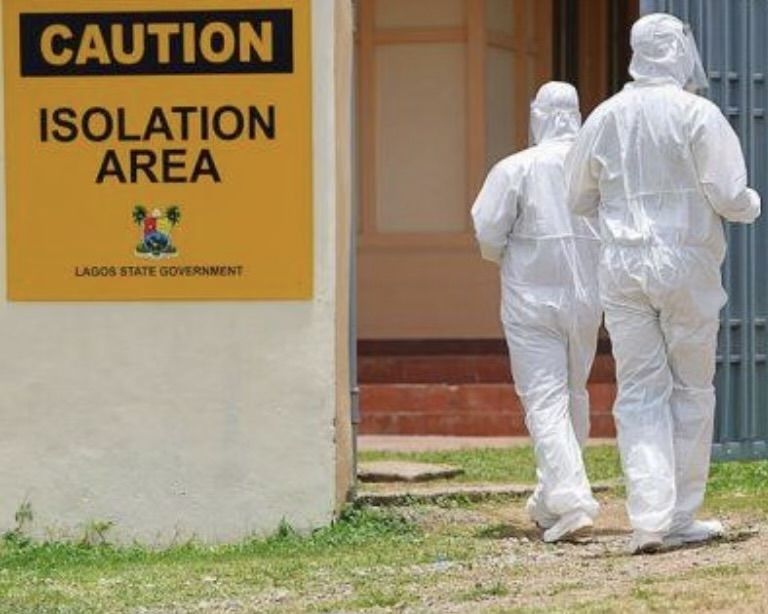
Lagos State says it is strengthening its surveillance and emergency response measures following confirmation of a Bundibugyo virus disease case in Abuja. The image is illustrative.
What residents should do
Abayomi advised residents to wash their hands regularly with soap and water and avoid contact with the blood and other body fluids of people who may be infected.
He urged anyone who develops symptoms such as fever, weakness, vomiting or diarrhoea after a possible exposure to avoid self-medication and call health authorities before visiting a health facility.
The WHO says Ebola can spread through direct contact with the blood or other body fluids of an infected person, or through objects contaminated with those fluids. Early symptoms can resemble other illnesses, including malaria, which makes clinical assessment and appropriate testing important.
The commissioner also urged health workers to maintain a high index of suspicion, ask patients about their travel history where appropriate and use personal protective equipment.
Residents in Lagos can report suspected cases or possible exposure through the emergency numbers 112 or 767, or contact the Directorate of Epidemiology, Biosecurity and Global Health on 0802 316 9485, as provided in the commissioner’s statement.
Accountability: what Lagos still needs to demonstrate
The announcement outlines a preparedness plan, but residents need regular information on how well it is working.
The Lagos State Ministry of Health should provide updates on the operational status of isolation facilities, the availability of protective equipment, laboratory capacity and the performance of the proposed 24-hour testing pathway.
It should also explain how the state is coordinating with the NCDC, federal port health authorities and private hospitals, which may be the first point of contact for people seeking treatment.
Publishing regular, verified updates would help the public distinguish confirmed developments from rumours. It would also give residents a way to assess whether the measures announced are translating into practical readiness.
For now, Lagos has outlined steps intended to prepare for a possible case, but the public statement does not provide enough operational data to independently assess the state’s level of readiness.
Abayomi urged residents not to panic and to rely on official information. He ended his message with the words: “Together, we keep Lagos safe.”
The next stage will be to monitor the Abuja contact-tracing exercise, follow updates from federal health authorities and establish whether Lagos can demonstrate that its preparedness measures are operational and effective.