
By Aminat Jubril | Olokuns Media Network
A coordinator of the City Boy Movement has urged young Nigerians to collect their Permanent Voter Cards (PVCs) and support President Bola Tinubu’s re-election bid in 2027, as Nigeria’s voter register rises above 103 million.
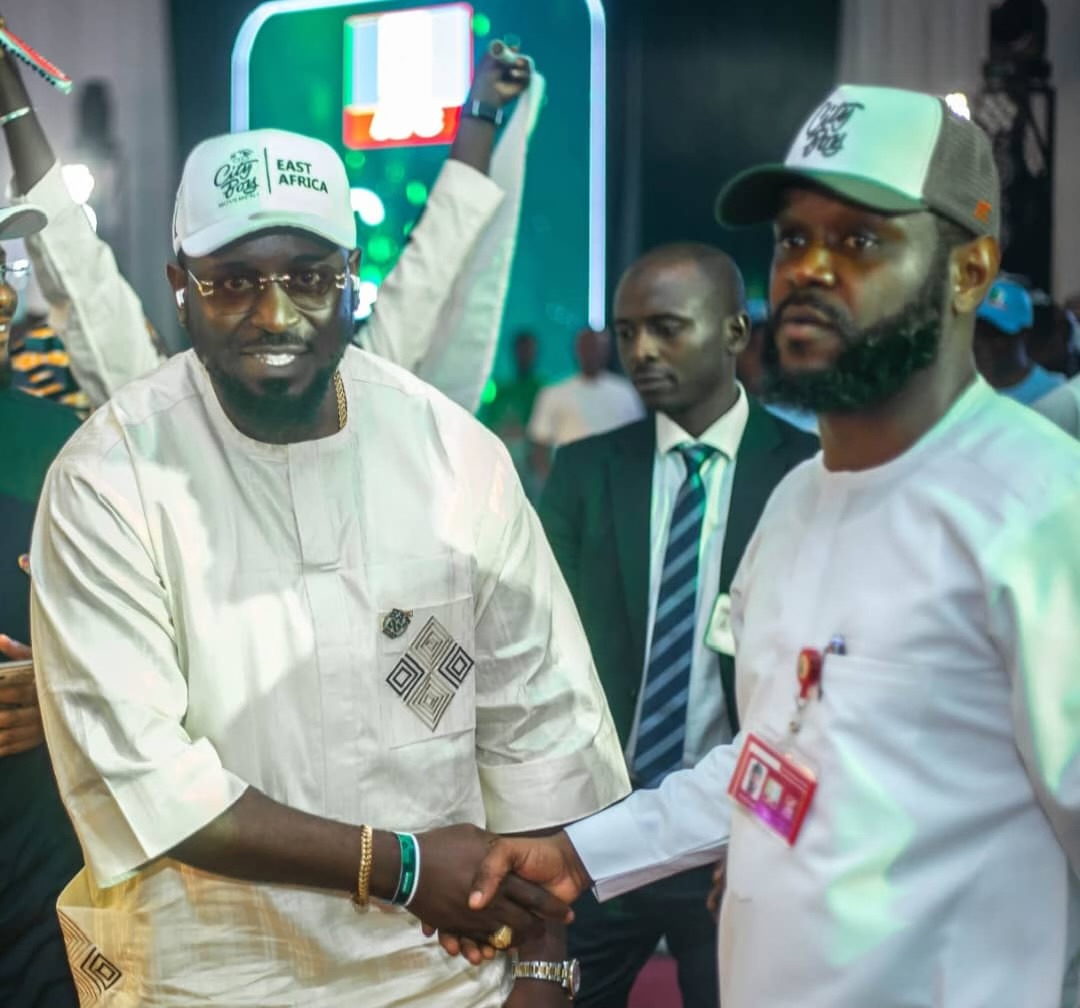
Hon. Mark Alphonsus, the movement’s coordinator for East Africa, said the group planned to mobilise Nigerians across the region through town hall meetings and other political engagements.
In a statement posted on his Instagram account, Alphonsus defended the Tinubu administration’s economic policies and said the movement wanted to increase youth participation in politics.
His appeal comes as political groups begin organising ahead of the 2027 general elections. However, the size of the voter register alone does not guarantee that more Nigerians will vote or that the administration will secure a second term.
Tinubu’s reforms form basis of re-election appeal
Alphonsus, who is also the founder and chief executive of Nairobi-based Amala Eko International, a Nigerian food and cultural export business, said the government had taken difficult decisions to address longstanding economic problems.
“If you look at the developmental trajectory of Nigeria since independence, one will deduce that it has been from one lamentation to another.
“But in the last three years, we have had a President who has taken the historic bold steps of decluttering the system, thereby laying the foundation for incremental and sustainable prosperity and growth,” he said.
He cited the removal of the petrol subsidy, the floating of the naira, efforts to stabilise the economy, the introduction of student loans and investment in road infrastructure as reasons Nigerians should support Tinubu.
These are arguments made by a political supporter, rather than independent evidence that the policies have delivered lasting prosperity.
The removal of the petrol subsidy and foreign-exchange reforms have changed Nigeria’s economic policy, but they have also increased financial pressure on households and businesses through higher transport, food and other living costs.
The government’s defence of the reforms rests partly on their potential to improve public finances, reduce market distortions and attract investment. Their long-term value will depend on whether Nigerians experience sustained improvements in purchasing power, employment, public services and living standards.
Alphonsus did not provide figures in the statement to demonstrate how the reforms had affected the people he wants to persuade to support the president.
INEC register rises above 103 million
The Independent National Electoral Commission (INEC) said in October 2026 that Nigeria’s national voter register had grown to more than 103 million following three phases of Continuous Voter Registration.
INEC chairman Joash Amupitan said the exercise recorded 10,772,421 new registrations, subject to the commission’s verification process. The commission also announced the start of nationwide PVC collection on 9 October.
The increase gives political parties and support groups a larger electorate to engage, but registration and actual participation are different measures.
For the 2023 general elections, INEC recorded 93,469,008 registered voters. Young people aged 18 to 34 accounted for 37,060,399 of them, or 39.65 per cent, according to the figures cited in the movement’s statement.
Also Read: Maternal Healthcare, Water Projects Mark Anaemena’s Rotary Presidency https://olokunsmedianetwork.com/2026/10/24/maternal-healthcare-water-projects-mark-anaemenas-rotary-presidency/
The latest register also shows that young Nigerians remain a substantial voting bloc, although voters aged 35 to 49 now form the largest age group, with more than 43 million registered voters, according to figures reported by Premium Times.
For the City Boy Movement, the challenge is therefore not simply to encourage registration or PVC collection. It is to persuade eligible voters to participate and convince them that the administration’s policies deserve another mandate.
Diaspora mobilisation faces a legal hurdle
Alphonsus said his assignment was to mobilise Nigerians in East Africa and encourage them to take part in the electoral process.
“There are over 17 million Nigerians in the diaspora. About half of that number are eligible to vote. In my jurisdictions, including Kenya, Uganda, Tanzania, Rwanda, Burundi, South Sudan, the Democratic Republic of Congo and Somalia, our goal is to mobilise the over 1,600 registered Nigerian voters back home for the election. There are about 3,400 Nigerians in this region,” he said.
He added that the movement had planned several town hall meetings and high-level engagements to strengthen its mobilisation campaign.
“I am returning to Nairobi on Monday, October 26, 2026, to implement the several strategic plans on ground to mobilise the great Nigerian people in our jurisdiction,” he said.
However, there is a significant distinction between mobilising Nigerians who live abroad and enabling them to cast ballots from their countries of residence.
Nigeria’s existing electoral framework does not provide for out-of-country voting. Nigerians living in East Africa who wish to vote in the 2027 elections would therefore need to consider the applicable eligibility requirements and arrangements for voting within Nigeria.
This restriction raises questions about the practical reach of the movement’s diaspora strategy. The statement does not explain how its planned engagements will translate into votes, whether participants intend to travel to Nigeria to vote or how the movement arrived at its estimate of 1,600 registered voters across the region.
Without further details, the number of Nigerians living in East Africa should not be treated as a measure of the number who can vote in Nigeria’s elections.
Youth participation and political accountability
Alphonsus said youth participation was central to the movement’s objectives and argued that young Nigerians needed a stronger role in the country’s political future.
“Our goal is also to raise an army of innovative, intelligent and patriotic young Nigerians who will be leading the country in the nearest future,” he said.
He described the movement as a platform for mobilising young Nigerians who had not been sufficiently involved in elections and political leadership.
Higher participation could give young voters a stronger voice in decisions about education, employment, security, entrepreneurship and the cost of living. It could also encourage political parties to respond more directly to their concerns.
However, participation alone does not guarantee better representation or policy outcomes. Voters also need access to credible information, meaningful choices between candidates and opportunities to hold elected officials accountable for their promises.
The movement’s support for Tinubu also raises a broader question about how it intends to engage young people who disagree with the president’s policies. A mobilisation campaign can encourage participation, but its democratic value depends partly on whether it respects voters’ right to make independent choices.
City Boy Movement’s meeting with Tinubu
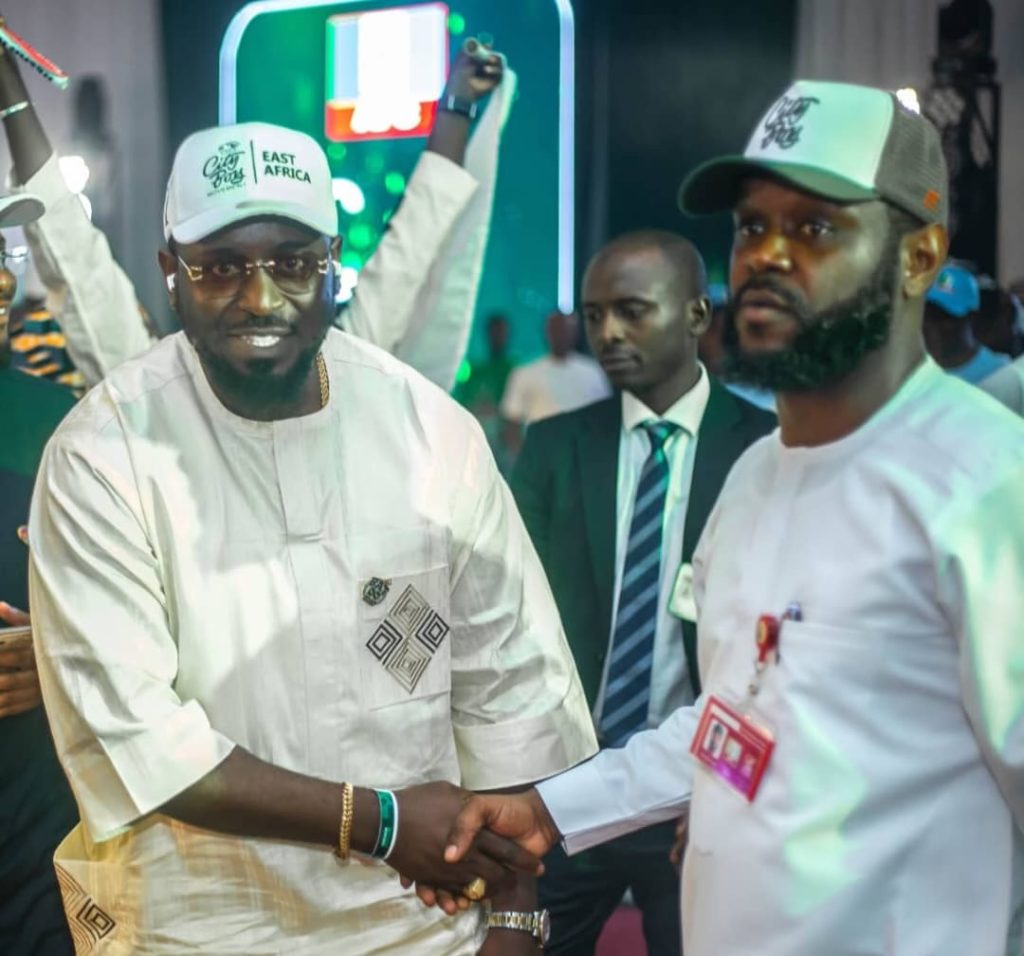
Alphonsus’s comments followed a meeting between Tinubu, Vice-President Kashim Shettima and members of the City Boy Movement at the Presidential Villa in Abuja.
The gathering, tagged An Evening with the Original City Boy, took place on Monday, 19 October 2026, at the Banquet Hall of the Presidential Villa. Discussions centred on youth mobilisation, support for the Renewed Hope agenda and the political prospects of the ruling All Progressives Congress.
Other figures named as participants included movement leaders Barr. Seyi Tinubu, Amir Shettima, Ayo Olawande and Hon. Francis Oluwatosin Shoga.
During the meeting, Tinubu made humorous remarks about his son Seyi’s political role, while participants discussed strategies to mobilise support for the administration ahead of the 2027 elections.
The meeting highlights the movement’s links to the president and the ruling party’s political mobilisation efforts. However, the statement does not provide details of any formal campaign targets, funding arrangements or measurable outcomes agreed at the gathering.
What happens next?
Alphonsus said he would return to Nairobi on 26 October to implement the movement’s plans for East Africa.
The effectiveness of those plans will depend on how the movement measures its reach, distinguishes supporters from eligible voters and addresses the legal limitations facing Nigerians who live abroad.
For voters in Nigeria, the immediate practical step is to check their registration details and follow INEC’s official guidance on PVC collection and voting arrangements.
For the movement, the larger test will be whether it can convert political enthusiasm into informed participation while addressing questions about the administration’s economic record.
As the 2027 elections approach, the growing voter register offers political groups an opportunity to engage more citizens. Whether that translates into stronger participation or electoral support for Tinubu will depend on voters’ decisions, not mobilisation claims alone.


Nurudeen Olakunle Giwa
I suppose the group and follow rules and regulations